
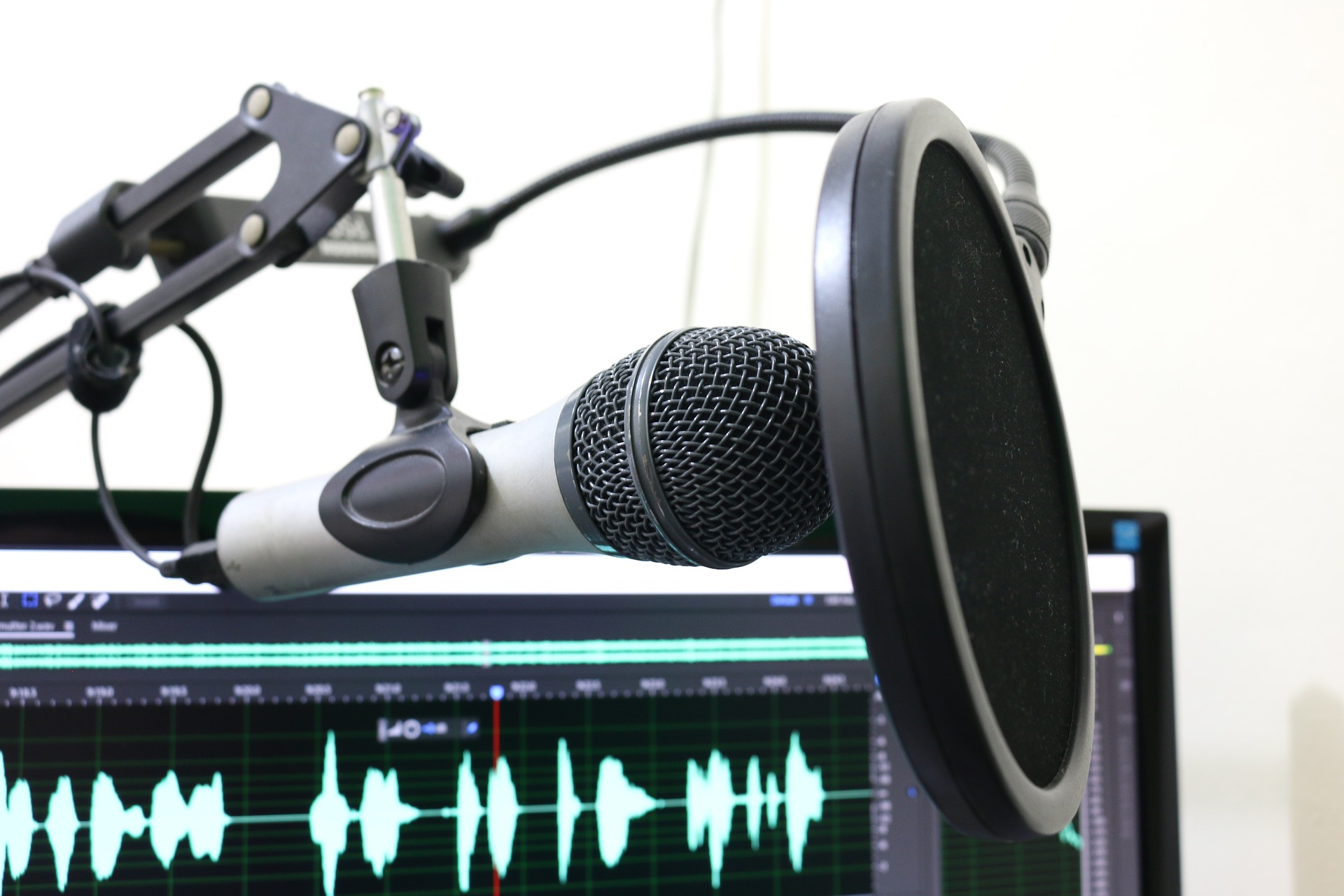
Smart speakers have microphones that are always on, waiting for activation words like “Alexa”, “Hey, Siri” or “O.K., Google”. Only after hearing that signal should they start recording.
Device manufacturers, for quality reasons, report having heard audio that was probably captured unintentionally, including drug deals and sex.
Hace unos días, David Choffnes and Daniel Dubois, two researchers from Northeastern University, conducted tests to analyze under what circumstances the devices were activated. They discovered that the devices woke up dozens of times and started recording after hearing phrases similar to their activation words.
Mr.. Zhao and Ms.. Zheng, dos profesores de informática en la
Universidad de Chicago, decidieron dar vida a un desacuerdo algo
productivo. Con la ayuda de un profesor asistente, Pedro Lopes,
diseñaron una pieza de armadura digital: one “brazalete de silencio” What
bloquea cualquier micrófono en las cercanías al
escuchar las conversaciones del usuario.
El brazalete es como un reloj antismart debido a su propósito de derrotar a la tecnología. It is a
brazalete blanco grande y algo tosco, con transductores puntiagudos y
with 24 altavoces que emiten señales ultrasónicas cuando el usuario lo
enciende.
El sonido es imperceptible para la mayoría de los oídos, with
la posible excepción de los jóvenes y los perros, pero los micrófonos
cercanos detectarán el sonido de alta frecuencia en lugar de otros
ruidos.
The “brazalete de silencio” It is not the first device invented to block unwanted recordings from digital assistants. In
2018, Project Alias was created,
an attachment that can be placed over a smart speaker to
deafen it. Despite that, Ms.. Zheng argues that a blocker should be
portable to protect people while they move through
different environments, since it is not always known where a
microphone lurks.